Source Therapeutic Grade Batana Oil for Skin Care and Hair Growth
Find 30 verified listings for Therapeutic Grade Batana Oil suitable for moisturizing, aromatherapy, and skincare applications. Compare specifications including purity, packaging options, and OEM availability to identify the right supplier for your beauty and health care needs; compare the available evidence and request quotations based on your requirements.
Key considerations
Products List







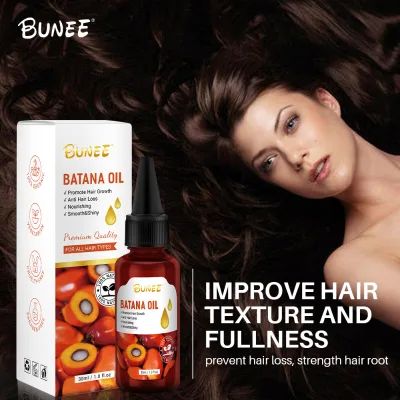
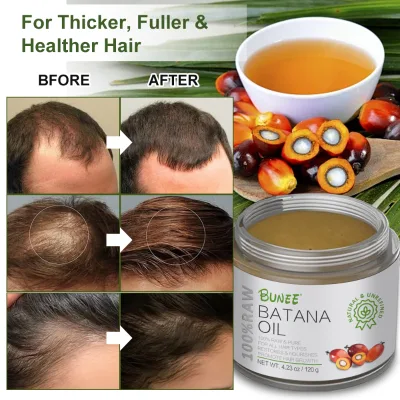


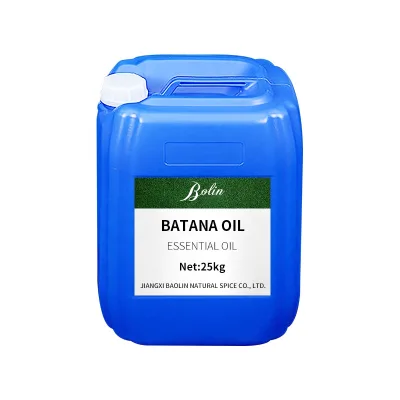
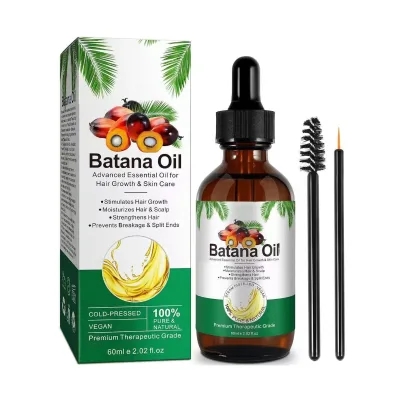
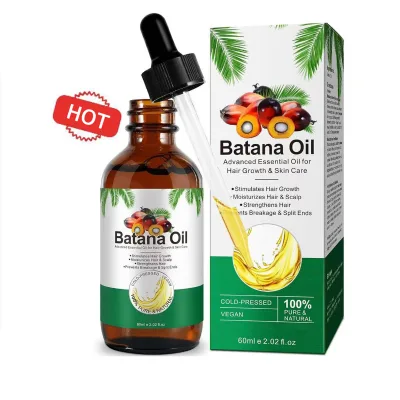

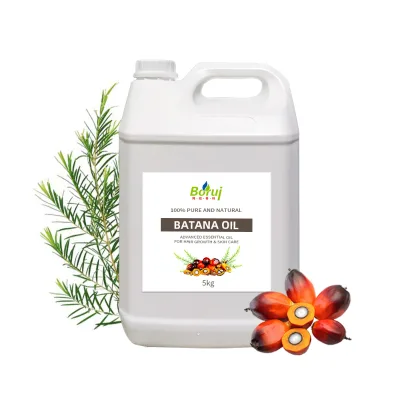
Comprehensive Sourcing Guide
Therapeutic Grade Batana Oil Sourcing Guide
Procuring Therapeutic Grade Batana Oil requires distinguishing between cosmetic-grade extracts and those intended for specialized skin and hair applications. The observed market data indicates a product range labeled as "Batana Oil" with specific attributes like "100% Pure Nature" and "Natural Extract" materials, yet buyers must verify if the "Therapeutic Grade" designation aligns with the actual "Food Additive" or "Cosmetic" grade listed in supplier catalogs. This distinction is critical because the intended application, whether for skin care, hair growth, or aromatherapy, dictates the necessary purity levels and processing standards required for safety and efficacy.
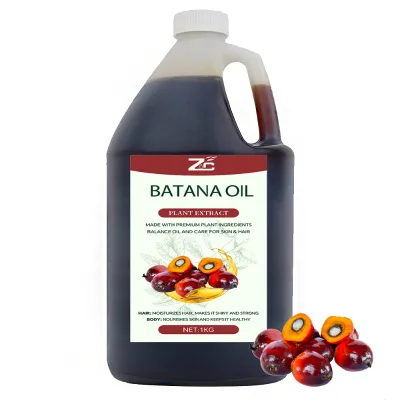
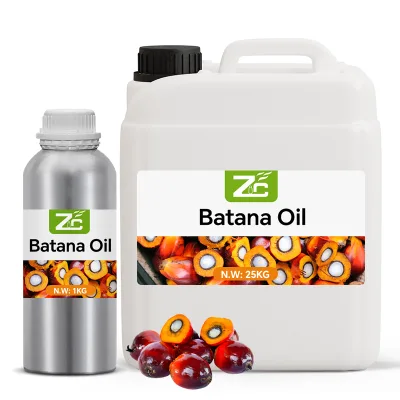
Buyers should scrutinize the "Appearance" and "Form" specifications, noting that observed listings describe the product as a "Yellow Oil" in "Plastic Drum" or "Grass Bottle" packaging. While some entries claim a "Shelf Life" of three years, others list two years, creating a discrepancy that must be resolved before finalizing orders. The "Assay" of 99% and "Purity" claims of 100% are common marketing points, but procurement teams must demand independent verification to ensure the oil meets the rigorous standards expected of therapeutic-grade ingredients rather than generic cosmetic blends.
Product Scope and Observed Listing Signals
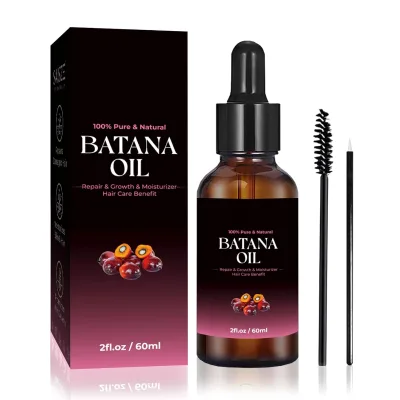
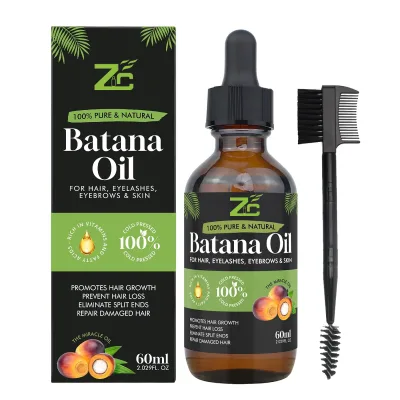
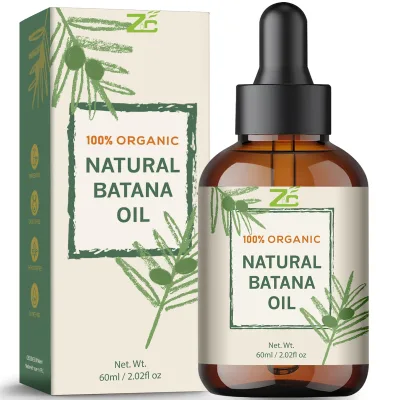
The product scope for Therapeutic Grade Batana Oil encompasses a variety of forms, including "Oil" and "Essential Oil" types, with applications ranging from "Skin Care and Hair Growth" to "Aromatherapy Massage." Observed listings reveal a diverse range of packaging options, from small "60 ml" bottles to bulk "25kg/plastic drum" containers, suggesting flexibility for both retail and industrial procurement. However, the "Type" attribute varies significantly across suppliers, with some items explicitly labeled as "Rosehip Oil" or "Pure Essential Oil," necessitating careful verification to ensure the core ingredient is indeed Batana Oil and not a substitute.
Buyers must navigate conflicting product names and model numbers, such as "ZC-PTZ001" and "Gzz-54," which appear alongside generic descriptions like "Health Care Skincare Beauty." The "MOQ" ranges from 1KG to 1000 units, indicating that suppliers cater to different scales of operation, but the "Single package size" and "Gross weight" data vary widely, complicating logistics planning. It is essential to confirm that the "Brand Name" and "Place of Origin" in Guangdong, China, align with the specific quality expectations for therapeutic-grade oils, as these factors influence the final product's consistency and market acceptance.
Technical Specifications to Verify
Technical verification begins with the "Grade" and "Material" attributes, where suppliers list "Food Additive" or "Therapeutic Grade" alongside "Natural Extract" and "Seeds" as raw materials. Buyers must confirm that the "Assay" of 99% and "Purity" claims of 100% are backed by current batch testing, as these figures are critical for therapeutic applications. The "Physical Weight" and "Bottle size" specifications, such as 236ml or 60ml, must be cross-referenced with the "Packing" details to ensure the delivered volume matches the contractual agreement, preventing discrepancies in inventory management.
The "Shelf Life" presents a significant area for verification, with observed data showing both "2 Years" and "3 Years" durations for similar products. Procurement teams must validate the storage conditions required to maintain this shelf life, particularly given the "Appearance" as a "Yellow Oil" which may degrade under improper light or temperature exposure. Additionally, the "Odor" described as "Fresh" and the "Feature" set including "Skin Revitalizer" and "Moisturizer" should be confirmed through sensory evaluation or third-party testing to ensure the oil retains its therapeutic properties throughout its intended lifespan.
Compliance and Safety Documentation
Compliance verification is paramount when sourcing therapeutic grade oils, as the "Certification" field lists varying combinations of "MSDS," "COA," "ISO9001," and "GMPC." Buyers must ensure that the Certificate of Analysis (COA) specifically addresses the "Assay" and "Purity" claims, confirming the absence of contaminants that could compromise the "Therapeutic Grade" status. The presence of an MSDS is essential for safe handling and transportation, particularly when the product is packaged in "Plastic Drum" or "Grass Bottle" formats that may have specific flammability or chemical stability requirements.
Regulatory adherence extends to the "Standard" specifications, which include "1kg/bottle" and "25kg/plastic durm" configurations, though these must align with local import regulations in the destination market. The "OEM/ODM" acceptance noted in several listings implies that customization is possible, but this requires strict oversight of the "Raw Material" sourcing to maintain compliance with international safety standards. Buyers should request updated certification documents for every batch, ensuring that the "Grade" and "Application" claims remain consistent with the regulatory framework governing health and beauty products in their target regions.
Cost Drivers and Commercial Terms
Cost drivers for Therapeutic Grade Batana Oil are heavily influenced by the "MOQ" and "Packing" configurations, with observed ranges from 1KG to 1000 units affecting the unit price significantly. The "Selling Units" being listed as "Single item" suggests a flexible purchasing model, but bulk orders in "25kg" drums may offer better economies of scale. Buyers must analyze the "Single gross weight" and "Single package size" to calculate accurate shipping costs, as the "Plastic Drum" and "Grass Bottle" options present different logistical challenges and freight expenses.
Commercial terms must clearly define the "Customization" capabilities and "OEM/ODM" acceptance, as these services often incur additional costs beyond the base product price. The "Brand Name" and "Model Number" variations indicate that branding and packaging customization are key cost factors, requiring detailed negotiation on tooling and setup fees. Procurement teams should also consider the "Shelf Life" implications on inventory holding costs, as a shorter "2 Years" versus "3 Years" lifespan may necessitate more frequent reordering and higher turnover rates to avoid product expiration losses.
Supplier Qualification and Quality Control
Supplier qualification requires a deep dive into the "Place of Origin" and "Brand Name" consistency, with "Guangdong, China" being a common source for these products. Buyers must verify the supplier's ability to maintain "Therapeutic Grade" standards consistently, as the "Material" and "Grade" attributes can vary between batches. The "Certification" list, including "ISO9001" and "GMPC," serves as a baseline, but on-site audits or third-party quality assessments are necessary to ensure that the "Natural Extract" processing meets the rigorous demands of therapeutic applications.
Quality control protocols must address the "Feature" set, including "Nourishing," "Lightening," and "Skin Revitalizer" claims, which require empirical validation. The "Application" scope, spanning "Aromatherapy," "Beauty Spa," and "Diffuser" uses, demands that the oil maintains its "Fresh" odor and "Yellow Oil" appearance without degradation. Buyers should implement a rigorous incoming inspection process that checks the "Assay," "Purity," and "Physical Weight" against the provided specifications, ensuring that the "Product Typeil" and "Type" attributes remain accurate and consistent with the therapeutic grade requirements.
Long-Term Procurement Checks
Long-term procurement success depends on monitoring the stability of "Shelf Life" and "Purity" claims over multiple order cycles. Buyers should track the "Shelf Life" data, noting the discrepancy between "2 Years" and "3 Years" listings, to ensure that the supplier maintains consistent quality control practices. Regular re-testing of the "Assay" and "Purity" levels is essential to confirm that the "100% Pure Nature" claim holds true over time, preventing the degradation of therapeutic properties that could impact end-user satisfaction.
Supply chain resilience is another critical factor, as the "MOQ" and "Packing" options must remain flexible to accommodate fluctuating market demands. Buyers should establish a relationship with suppliers who can reliably provide "OEM/ODM" services and maintain the "Customization" capabilities required for brand differentiation. Continuous verification of "Certification" status, including "MSDS," "COA," and "ISO9001," ensures that the supplier remains compliant with evolving international standards, securing a stable supply of high-quality Therapeutic Grade Batana Oil for future business needs.
FAQs
What is the purity level of Therapeutic Grade Batana Oil?
The product is described as 100% pure natural with an assay of 99%. It is classified as a natural extract suitable for skin care and hair growth applications. This high purity ensures effective moisturizing and nourishing benefits for combination skin types while maintaining a fresh odor profile.
Can I customize the packaging for bulk orders?
Customization is available for this product. Standard packing options include plastic drums with specifications of 1kg per bottle or 25kg per plastic drum. Buyers can also select from various packing quantities such as 1, 5, 10, or 180kg depending on their specific logistical requirements and storage capacity.
What certifications are provided for this batana oil?
The product comes with MSDS, COA, ISO9001, and GMPC certifications. These documents verify the quality and safety standards of the therapeutic grade oil. The certifications support its use in aromatherapy, beauty spas, and healthcare applications, ensuring compliance with international trade and safety regulations for global buyers.
What is the minimum order quantity for this oil?
The minimum order quantity is 1KG. This low MOQ allows buyers to test the product quality before committing to larger purchases. The supplier accepts OEM and ODM services, making it suitable for small businesses or brands looking to start with minimal inventory risk while evaluating market response.
Where is this Therapeutic Grade Batana Oil manufactured?
The product originates from Guangdong, China. It is manufactured by a supplier with the brand name ZC. The production location ensures access to established supply chains and manufacturing infrastructure, facilitating efficient logistics and timely delivery for international buyers seeking reliable sources of natural extract oils for skincare.
How long is the shelf life of this oil?
The shelf life is listed as 2 to 3 years. This duration ensures the oil remains effective for moisturizing and skin revitalization during storage. Proper storage conditions are recommended to maintain the 100% pure natural integrity and prevent degradation, ensuring the product meets quality standards upon delivery to the end user.